
The space settlement ideas of Dr. Gerard O’Neill are at the core of the NSS’ vision for making humanity a space faring species. This vision did not focus on surface settlements, for example, on the Moon or Mars, but rather featured settlements in free space with settlers living inside huge rotating satellites orbiting around Earth at first and other planets and asteroids later. These settlements rotate to deliver 1g of pseudo-gravity to inhabitants so their children will grow up with strong bones and muscles.
But O’Neill’s works, such as “The High Frontier,” were published nearly 50 years ago. How have these been updated, and what will these new plans look like? How can we learn to live and work in a rotating environment? How does the discovery of a low-radiation region near the equator (ELEO) roughly 500 km from Earth change early settlement? Can we reliably grow Space Farms to feed settlers, provide oxygen, clean air and water? Can we recycle nearly everything? Is the surface gravity of the Moon and Mars (1/6g and 1/3g) acceptable for children and adults? These and many other areas of pressing concern are at the core of the Space Settlement track—and the NSS remains the most prominent archive and clearing house for cutting-edge developments and archival of existing work.
Space Settlement
Session Chair Info
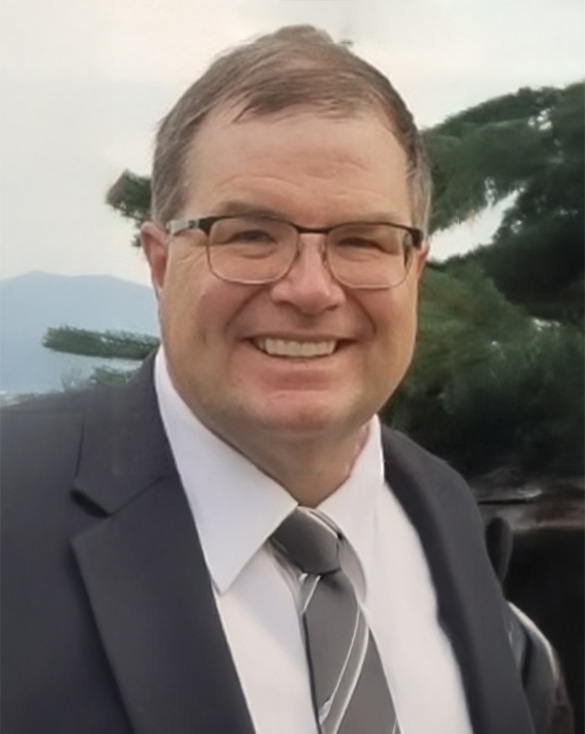
Bryce Meyer
NSS Space Ambassador, Space Farms, St Louis Space Frontier
Bryce holds undergraduate and graduate degrees in engineering, as well as a graduate degree in biology. He has also logged thousands of hours above and below the surface of lakes, rivers, and oceans, and has spent time working on farms. He writes on space agriculture, focusing on mass flow and balanced menus. Read More
Space Settlement
Session Speakers Info
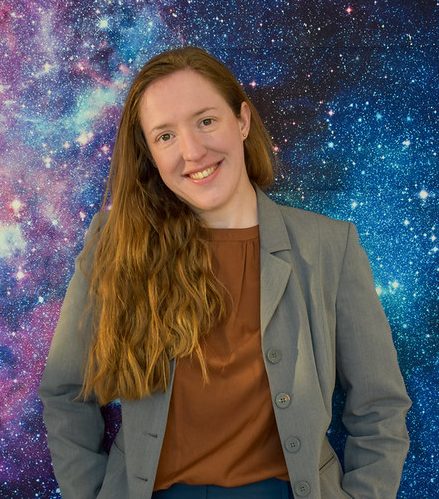
Caitlin Ahrens
Assistant Research Scientist, NASA GSFC/UMD
Dr. Caitlin Ahrens is an assistant research scientist at NASA Goddard Space Flight Center and the University of Maryland. She is a member of the Diviner Science Team with the Lunar Reconnaissance Orbiter and the American Society of Civil Engineers Aerospace Division working on lunar architecture and construction. She serves as a technical support scientist to assist in risk assessments of lunar surface activity. Dr. Ahrens is PI on lunar Read More
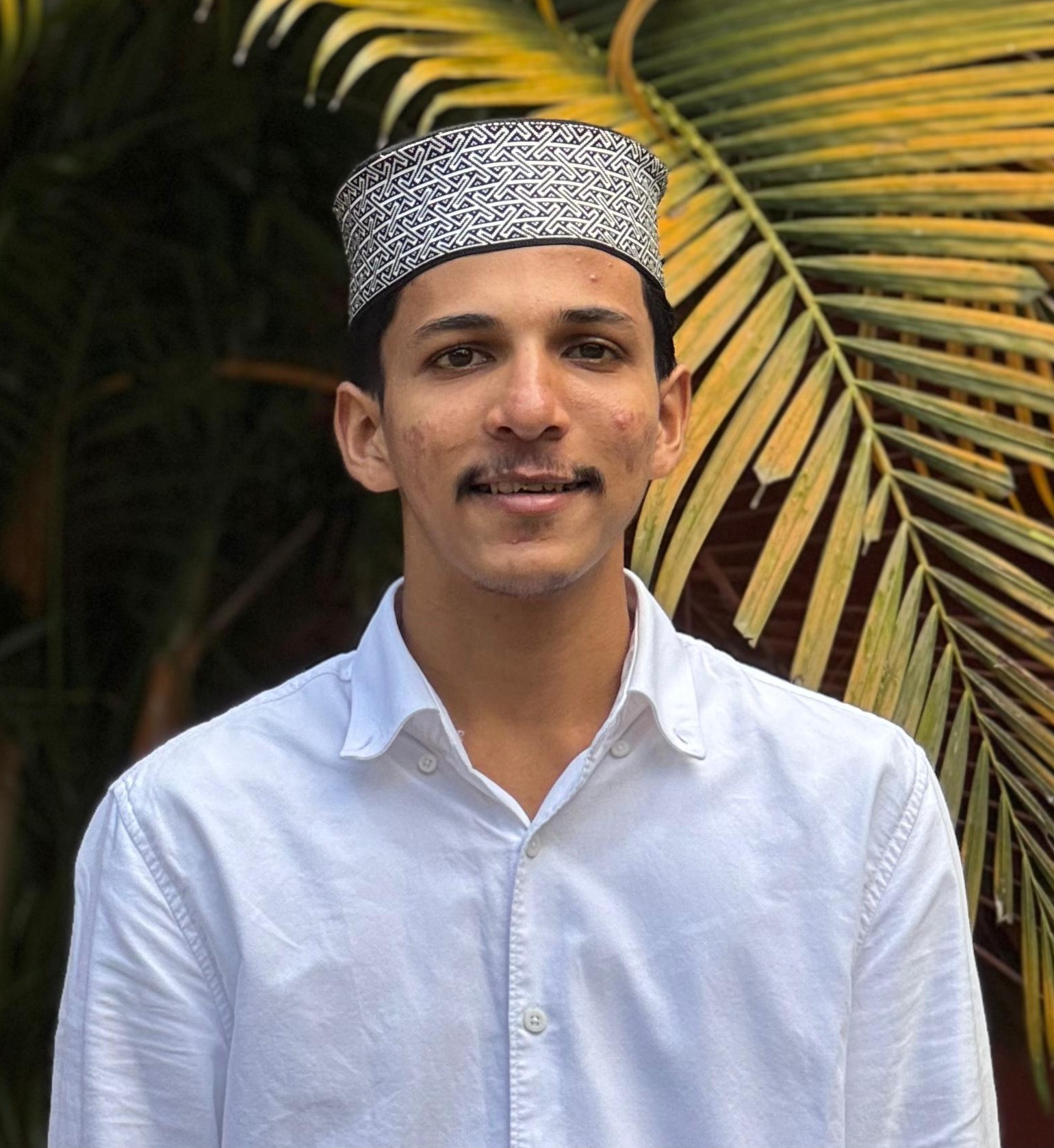
Muhammed Marzooq
Student, University of Calicut
Muhammed Marzooq is a researcher from Kasaragod, India, specializing in aerospace architecture and space habitation. His work focuses on engineering solutions for artificial gravity, specifically utilizing novel geometric configurations to reduce physiological risks in long-duration missions. His research on this topic was previously accepted for the ASGSR 2025 conference agenda. He aims to develop cost-effective, scalable life-support infrastructures for future interplanetary exploration. Read More
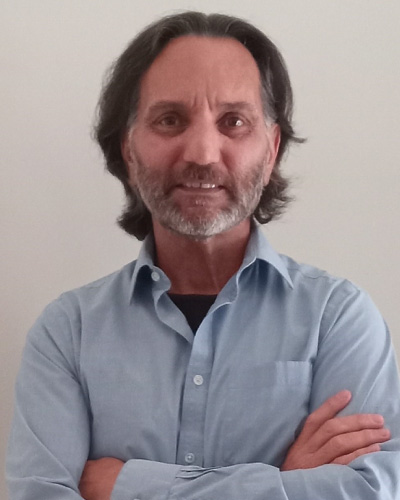
Jules Ross
CEO, Joules Space Technology
Jules Ross is the CEO, founder, and lead designer of Joules Space Technology (JST), an aerospace company developing artificial-gravity space station platforms and the enabling systems needed to make space truly human-friendly. For more than 17 years, he has led the iterative design and architecture of JST’s core concept, Space Station EO, integrating rotating 1g habitats with 0g operational sections, radiation-protection strategies, private crew quarters, and advanced life-support technologies. Ross Read More
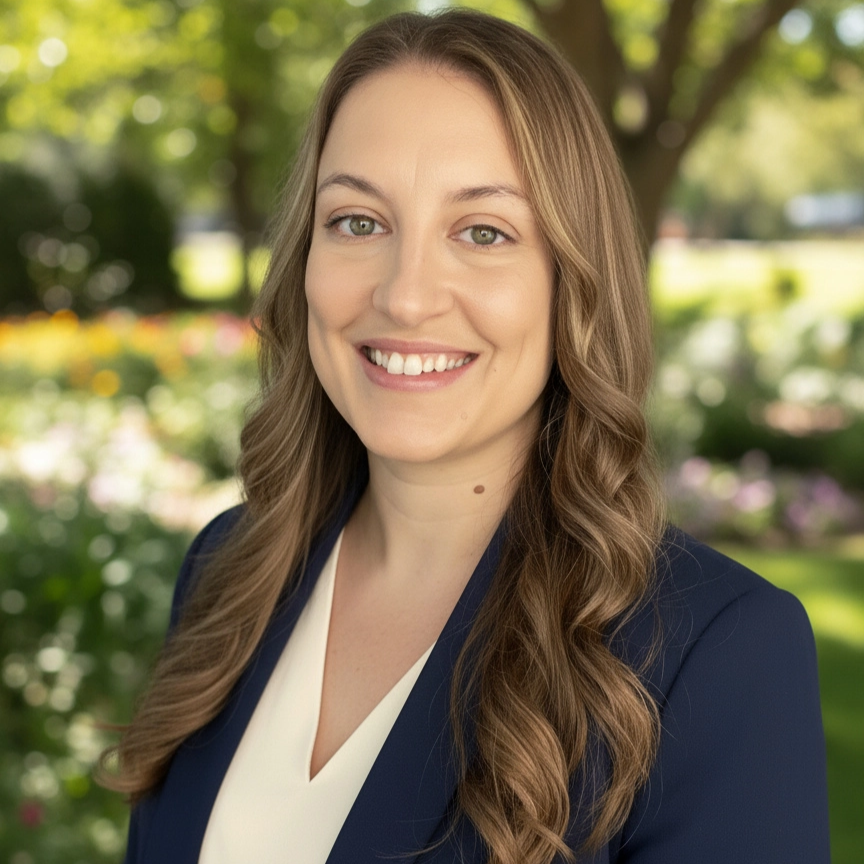
Jennifer Young
Associate Professor, University of the Cumberlands
Jennifer Young, PhD, is a clinician and researcher whose work bridges space health, human factors, and systems thinking. Her current work focuses on the System and Sustainability Determinants of Life in Space (SSDLiS), a determinants-based conceptual framework for human health and sustainability beyond Earth. She also works at the intersection of space health and artificial intelligence, exploring how AI tools can support human-centered design, monitoring, and governance of future space Read More