

Infrastructure is the backbone of civilization. A multi-planetary civilization needs interplanetary infrastructure to support its expansion, facilitate trade, and keep its citizens and their societies connected. The Interplanetary Infrastructure session considers whether investments in infrastructure, especially two-way transportation infrastructure, can address some of the most pressing problems associated with humanity’s initial efforts to expand into the solar system. Historically, infrastructure has facilitated human expansion. It increased accessibility and reduced the personal sacrifices that adventurous settlers and their families had to make. Infrastructure projects tend to be somewhat conservative in nature. They generally use technologies and materials that have been applied in other industries and that are already well-understood and well-characterized by engineers. Successful infrastructure projects are economically viable because their long-term benefit to society exceeds their upfront cost, even when the upfront cost is significant. The speakers presenting concepts in this session adhere to these fundamental principles and can demonstrate that their proposals do indeed pencil out.
Interplanetary
Session Chair Info
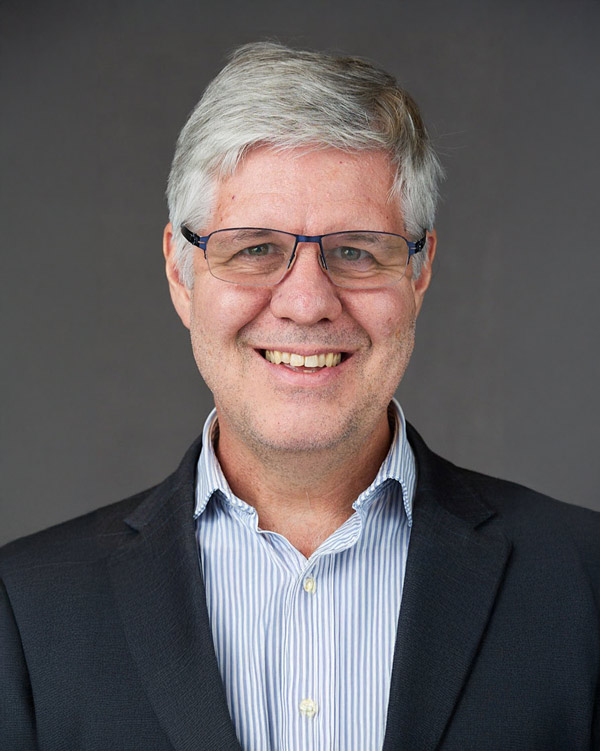
Phil Swan
Director of Infrastructure, The Atlantis Project
Phil Swan has a track record of developing successful innovations while working on advanced multi-disciplinary projects including Starlink, Hololens, and Xbox. He has been granted 38 US patents, including, most recently, a patent for the Tethered Ring. He is the recipient of three corporate recognition awards. Read More
Interplanetary
Session Speakers Info

David Dillon
Founder & CEO, Electromagnetic Launch, Inc.
In 2016 Mr. Dillon was issued a patent for an approach to electromagnetic launch and so began a multi-year effort to explore the physics and engineering that could dramatically reduce the cost of launching materials into space, this would finally lead to the formation of Electromagnetic Launch in the fall of 2020. Since then David has become a self-taught expert in the physics of electromagnetic launch with the help of Read More

Bryan Kuklinski
Executive Vice President, Orbital Construction Pioneers Inc.
Bryan Kuklinski “BK” began his aerospace pursuits building and flying model rockets and radio controlled airplanes, soloed a Cessna 150 at age 17. He studied mechanical engineering and completed flight training, including earning a Certified Flight Instructor (CFI) certificate. After joining Black Sky Training, Mr. Kuklinski authored the first FAA Safety Approved course for Commercial Human Spaceflight training. He serves as Executive Vice President for Orbital Construction Pioneers, developing new Read More
Erik Seedhouse
Associate Professor Space Operations, Embry-Riddle Aeronautical University
Erik Seedhouse is a professor in Spaceflight Operations at Embry-Riddle Aeronautical University. He holds pilot, scuba, and sky-diving licenses and in his spare time works as an astronaut instructor for the International Institute of Astronautical Sciences, a film consultant to Hollywood, a professional speaker, triathlon coach, and author. He regularly ventures into the mountains and has reached the summits of Kilimanjaro, Aconcagua, Elbrus, Rainier, Island Peak, Denali, Kosciusko, and in Read More